YOGA -:
Improve Your Mood with Yoga: It’s Not All in Your Head

With the stresses of day-to-day life becoming more demanding, it is vital to find healthy ways to improve your mood and overall well-being.
Yoga is an ancient practice that originated in Asia but has gained worldwide popularity in the modern day. Along with helping to keep your body flexible and improve overall mobility, yoga has immensely positive impacts on your mental
The Connection Between Yoga and Mood
For thousands of years, Yoga has had a rich history and is deeply rooted in the mind-body connection.
The discipline of yoga is focused on building greater bodily awareness, with a particular focus on harmonizing your breathing and movement with your mindfulness.
When practiced regularly, yoga plays a crucial role in reducing stress, anxiety, and even depression — though anyone dealing with severe symptoms of mental health conditions like depression should also seek professional mental health care as well.
Each yoga pose and posture (also called asanas) are designed to release physical tension in various areas of the body. Additionally, these asanas can help you to remove energy blockages that can often be the root cause of your negative mood and mindset.
5 Key Elements of Mood-Boosting Yoga Classes
When it comes to the benefits of yoga for boosting your mood, many aspects of the practice contribute to your overall mood improvement and well-being.
.png)
1. Intention Setting: Cultivating a Positive Mindset
.png)
Setting an intention at the beginning of a yoga practice can set the tone for a mood-boosting experience.
By focusing on a positive affirmation or a specific emotion you want to cultivate during the practice, you direct your mind toward that goal. This intention acts as a guiding light throughout the session, helping you stay focused and connected to your emotions.
Whether it's to feel gratitude, joy, or self-compassion, the power of intention can significantly enhance the mood-enhancing effects of yoga.
2. Music and Sound: Creating an Uplifting Atmosphere
.png)
The power of music to influence our emotions is undeniable.
In mood-boosting yoga classes, carefully selected music and soothing sounds can elevate the experience.
Upbeat and uplifting tunes can enhance feelings of happiness and motivation, while calming melodies can promote relaxation and tranquility. The rhythm and melody can synchronize with the flow of yoga postures, creating a harmonious and enjoyable practice that uplifts the spirit.
3. Aromatherapy: Using Scents to Evoke Emotions
.png)
Aromatherapy — the use of essential oils to provoke therapeutic effects using your sense of smell — can complement yoga practice and evoke specific emotions. Scents like lavender can induce relaxation, while citrus fragrances can invigorate and refresh the mind.
By incorporating aromatherapy into the yoga space, practitioners can enhance their emotional experience and connect more deeply with their feelings during the practice.
4. Mindful Transitions: Fostering Emotional Flow in Practice
.png)
Mindful transitions between yoga poses are the key to strengthening your emotional flow, stability, and endurance throughout a yoga session.
Rather than rushing through postures to finish as soon as possible (like many do with traditional gym-based workouts), yoga practitioners are encouraged to move slowly and deliberately with awareness, focusing on the breath and the sensations in the body.
This mindfulness-based approach helps to release emotional blockages and encourages emotional flow, allowing practitioners to experience and process their emotions more effectively.
5. Incorporating Laughter: Enhancing Joy and Playfulness
.png)
Laughter is one of the most powerful tools for improving mood and reducing stress.
By incorporating elements of laughter yoga or playful exercises into a yoga class, you can bring even greater joy and lightness to your practice.
By incorporating elements of laughter yoga or playful exercises into a yoga class, you can bring even greater joy and lightness to your practice.
Scientifically, laughter releases endorphins (the body's natural feel-good chemicals) which can uplift the mood and create a sense of positivity and happiness. Integrating laughter into yoga can also promote a sense of community and connection among participants, fostering a supportive and positive atmosphere.
Final Thoughts
If you are struggling with emotional regulation and want a natural way to improve your mood, practicing yoga is a great place to start. Even if you are new to the discipline, yoga is great for people of all ages and experience levels — the key is to start slow and focus primarily on your breathing and mindfulness.
Type of Yoga Asanas
- ARDHA CHAKRSANA (HALF WHEEL POSTURE) This posture resembles half wheel in final position, so it's called Ardha Chakrasana or half wheel posture.
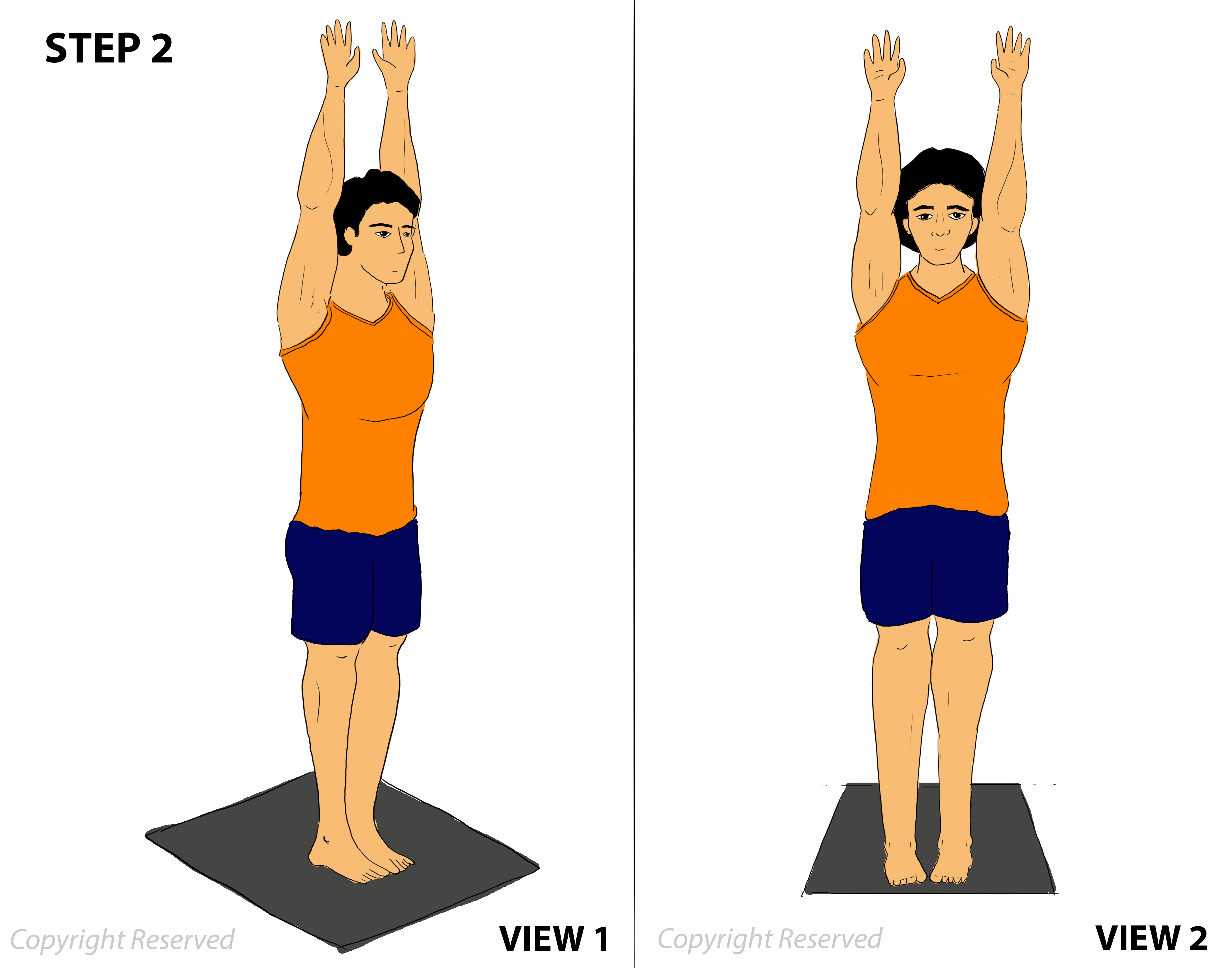
- TADASANA (PALM TREE POSE) ...
- TRIKONASANA(TRIANGLE POSTURE) ...
- VEERABHADRASANA -2. ...
- PARSHWA KONASANA (SIDE ANGLE POSTURE) ...
- BHUJANGAASANA. ...
- PADAHASTASANA. ...
- USTRASANA.
.png)
Tadasana or the Palm Tree Pose is a good stretching and loosing exercise for the entire body. Tadasana stretches the arms, the chest, the abdominal muscles, the spine and the leg muscles along with giving a sense of balance.
Triangle Pose - Utthita Trikonasana
* To come into Triangle pose or Trikonasana, stand facing the long side of your mat with your feet about a leg distance apart.
* Turn your right foot out so your toes are pointing to the short edge of the mat and turn your left toes in, about 45 degrees. You are looking for stability through both legs.
* Engage your legs and roll the right thigh out so the right knee is in line with the first two toes.
Virabhadrasana
This pose strengthens the arms, shoulders, thighs and back muscles, all in one go. This pose is named after Veerabhadra, a fierce warrior, an incarnation of Lord Shiva. The story of the warrior Veerabhadra, as all stories from Upanishads, has a moral that adds value to our life.
Veera – vigorous, warrior, courageous; Bhadra – good, auspicious; Asana – Posture
PARSHWA KONASANA (SIDE ANGLE POSTURE) ...
.png)
BHUJANGAASANA
PADAHASTASANA
.png)
Comments
Post a Comment